




Inaugural Contractors’ Conference and Exhibition set the platform for Innovation and Collaboration in the building of sustainable infrastructure.
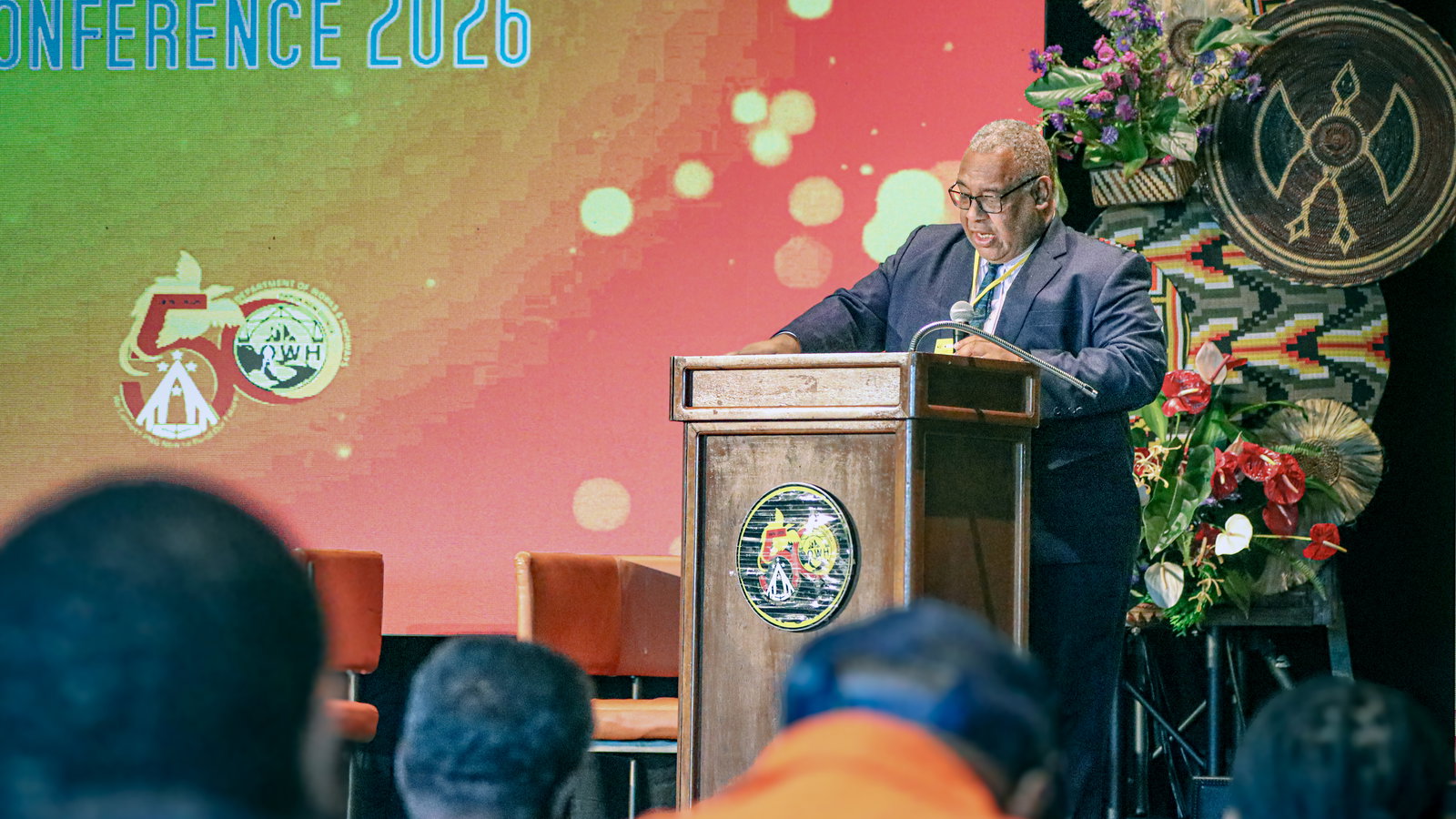
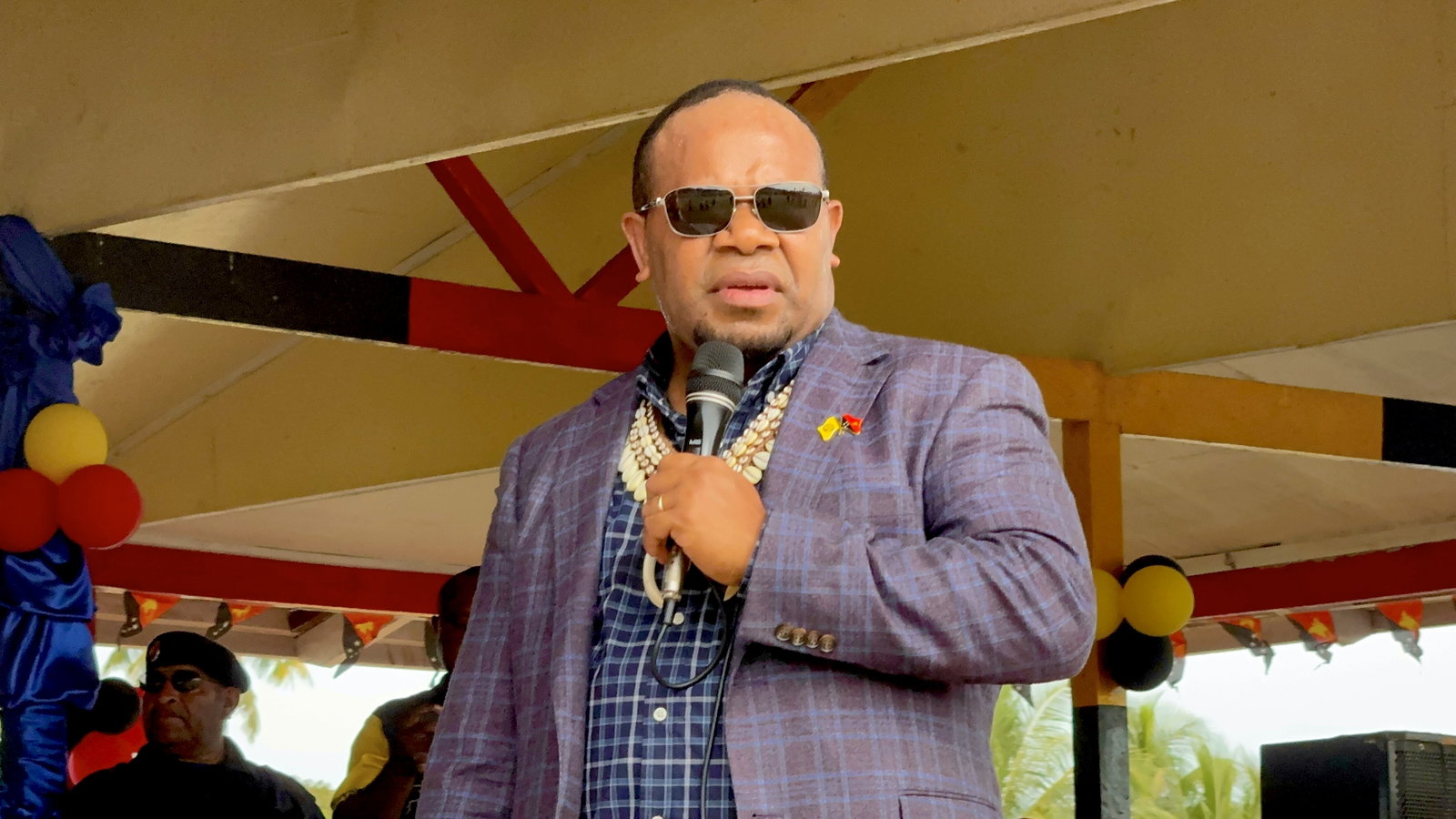
“Today we gather at a historic moment. The inaugural Contractors’ Conference and Exposition is more than an event; it is a declaration of intent. We are here to chart the future of Papua New Guinea’s infrastructure, not just in roads and bridges, but in the systems that bind our people, connect our communities, and drive our economy forward.” Chief Secretary to Government, Ivan Pomaleu, was addressing Public Servants, Contractors, Consultants, Development Partners and Industry Leaders at the Apec Haus on Thursday, 9 April 2026.
Roads play a vital role in the daily lives of Papua New Guineans. They connect communities to markets, schools, hospitals, and essential services, making them a foundation for national development and social well‑being. This government is committed to building a strong, reliable, and modern road network that supports economic growth and improves the quality of life across the country.
To achieve this, innovation is essential. Climate change, challenging terrain, and rising construction costs mean that traditional approaches are no longer enough. Papua New Guinea must adopt modern engineering solutions that are better suited to its unique environment and long‑term needs.
Resilient design and advanced materials will be prioritised to ensure roads can withstand extreme weather, flooding, and landslides. These improvements are especially important for rural and remote areas, where access disruptions have serious impacts on communities.
Modern planning tools such as Geographic Information Systems (GIS) and Building Information Modelling (BIM) will become standard, improving accuracy, transparency, and accountability in infrastructure projects. At the same time, cost‑effective and environmentally responsible methods—such as soil stabilisation and cold‑mix asphalt—will help reduce expenses and environmental impact. Chief Secretary Pomaleu iterated that Contractors should reward creativity, quality, and long-term values rather than simply favouring the lowest bid.
Procurement practices will evolve to reward quality, innovation, and long‑term value. By building smarter and planning better, the nation can create roads that connect people to opportunity and drive sustainable development for generations to come.
However, Pomaleu further stressed that the scale of the country’s infrastructure is far too great for the government to shoulder alone, referring to the theme of the conference, in forging collaborative efforts across all fronts.
“We must encourage Public-Private Partnerships (PPP). By fostering investor-friendly conditions, we can position road construction not merely as a project, but as a long-term investment in national productivity and economic growth,” said Mr Pomaleu.
Strong inter‑departmental coordination is essential to delivering meaningful infrastructure outcomes. Roads must be planned and built as part of an integrated system alongside electricity and digital networks, not in isolation. This holistic, “Smart Village” approach ensures that every new road also brings power, connectivity, and access to modern services, maximising the development impact of public investment.
At the same time, national progress depends on empowering local industry. Through the PNG First initiative, the government is committed to building the capacity of Papua New Guinean contractors and placing them at the centre of nation‑building. By enabling local firms to showcase their strengths, adopt global best practices, and compete with confidence, infrastructure can be built not just to connect places, but to unlock productivity, opportunity, and shared prosperity for all.
In emphasising on the need to connect the country, Mr Pomaleu stressed that, “infrastructure must coexist with nature. Roads must be designed and monitored under stricter environmental compliance audits, ensuring biodiversity is safeguarded for generations to come.”
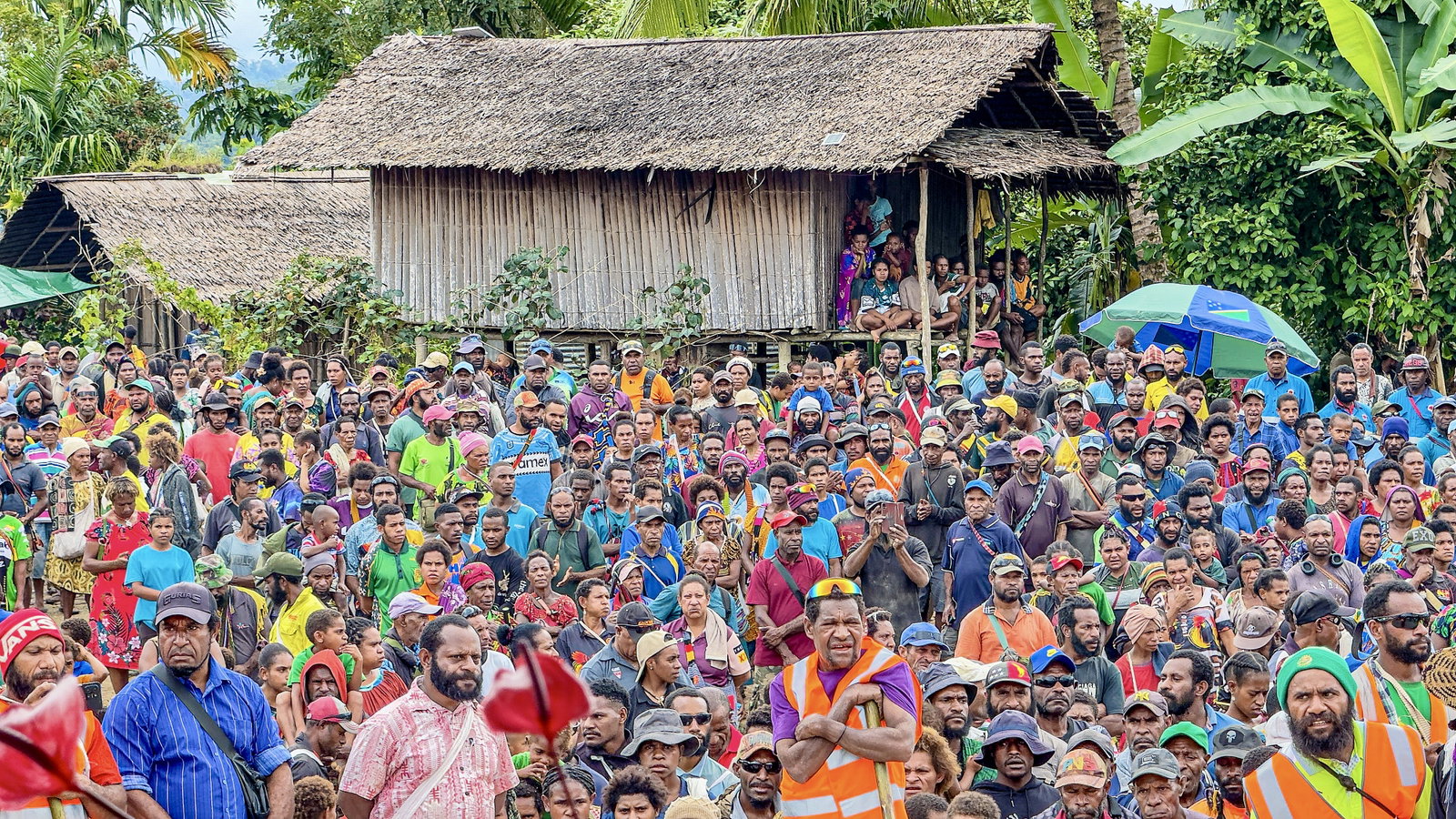
He further added that, “Development must be inclusive. Roads must extend beyond urban centres, linking the most remote villages to coastal ports, so that no community is left isolated and every citizen must have a share in the nation’s progress.”
Re-emphasising the theme and acknowledging the efforts of the stakeholders, the Chief Secretary said that “the government stands beside you, not merely as a regulator, but as a committed partner in nation-building.”
However, there shall be no excuses for poor workmanship or compromise. As a government, and a partner in the cause, we demand excellence, we expect quality outputs, and trust shall be the outcome of the integrity we carry while we deliver on time. As a government, we will ensure our policies are stable, and our processes shall remain transparent. Above all, it is our responsibility to outline a roadmap of development roadmap that is concise, and clear, so that you, our contractors, can be able to plan, invest, and innovate with confidence.
Chief Secretary Pomaleu, in closing, reminded everyone that, “let us build with the hearts of patriots, and minds of innovators. Let this inaugural contractors’ conference and exposition be the beginning of an annual tradition that strengthens our resolve and accelerates progress. So that, “together, we will build a nation that stands the test of time.”
Tags:
contractorsconference2026
-pnginfrastructure
-buildingpng
-roaddevelopment
-infrastructureinnovation
-pngfirst
-resilientroads
-publicprivatepartnerships
-smartvillage
-nationbuilding
.png?v=20260714135438)